Airspace classification
Review airspace boundaries, floors, ceilings, and where authorization may be needed.
Preview four visual study sheets from the $49 bundle. Select a preview to see it with its topic guide.
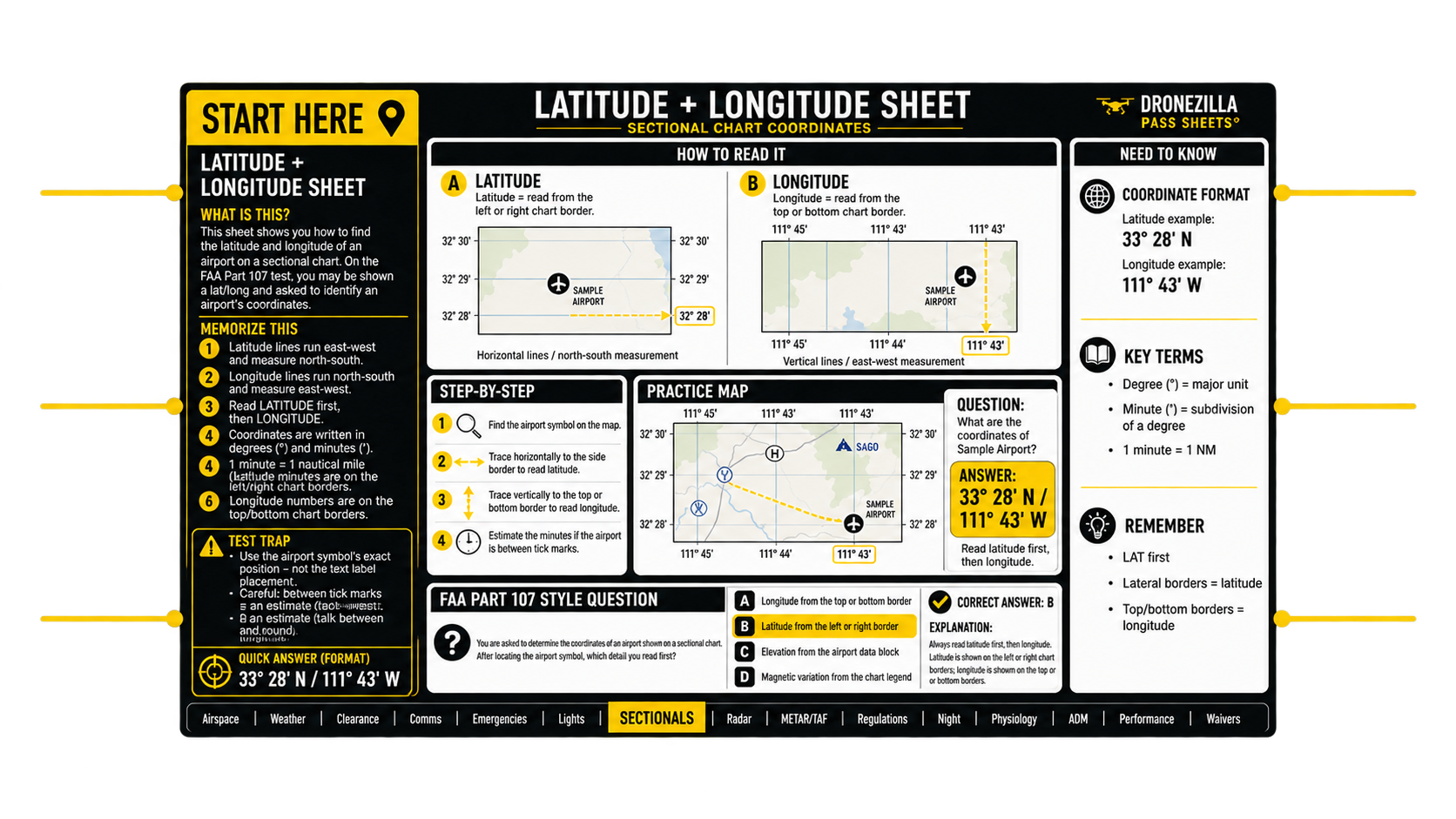
View sheet and study guide →
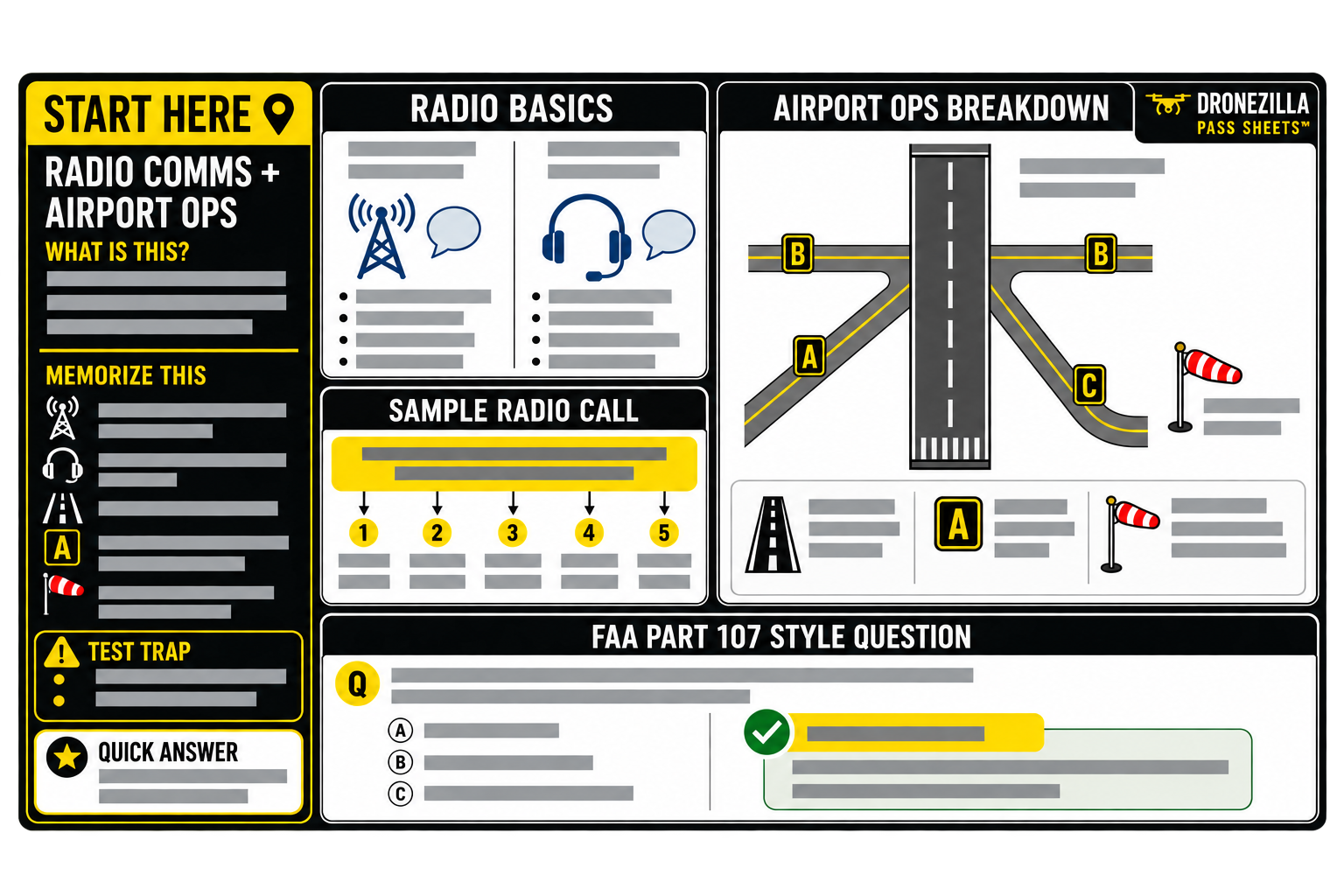
View sheet and study guide →
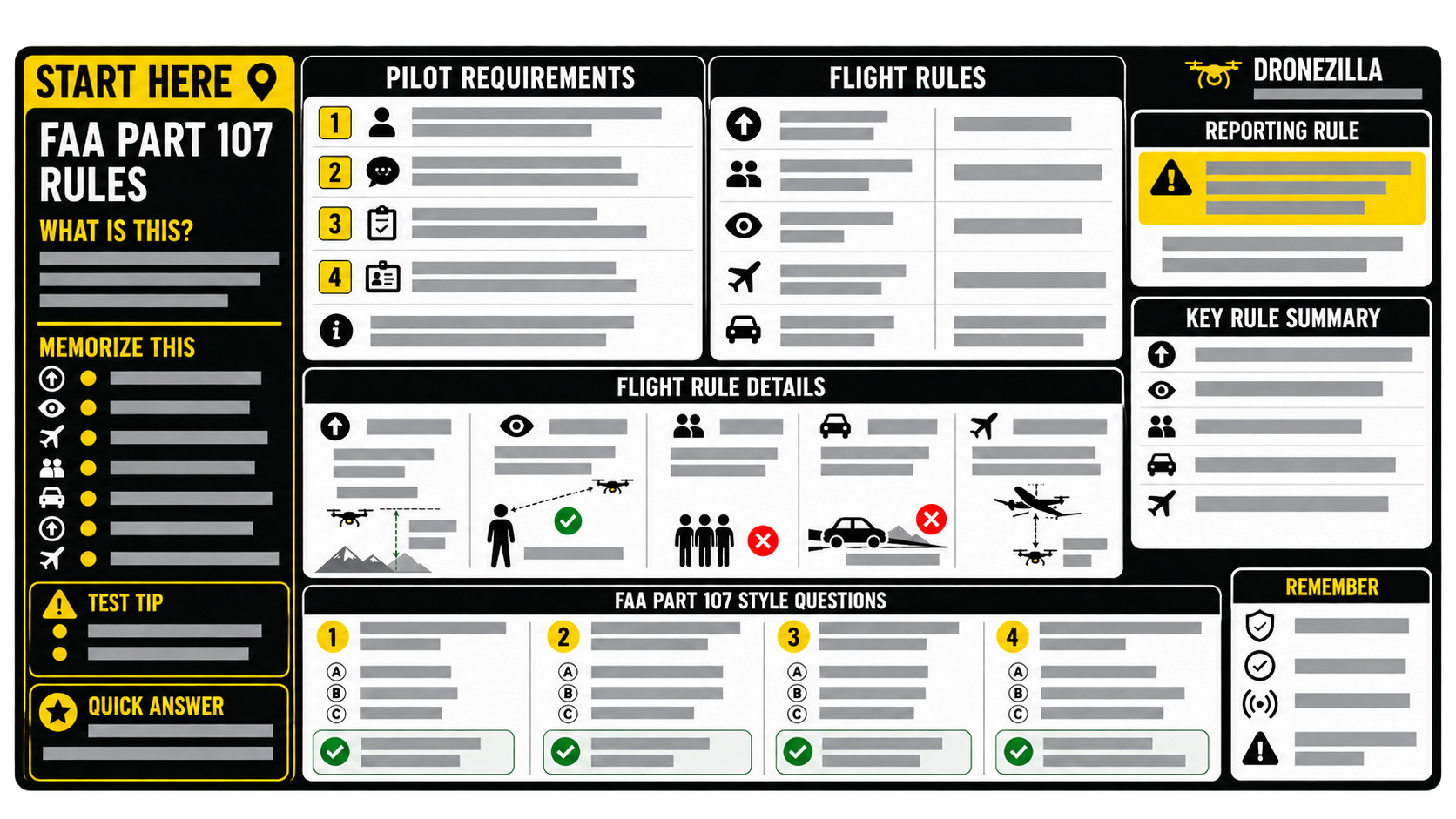
View sheet and study guide →
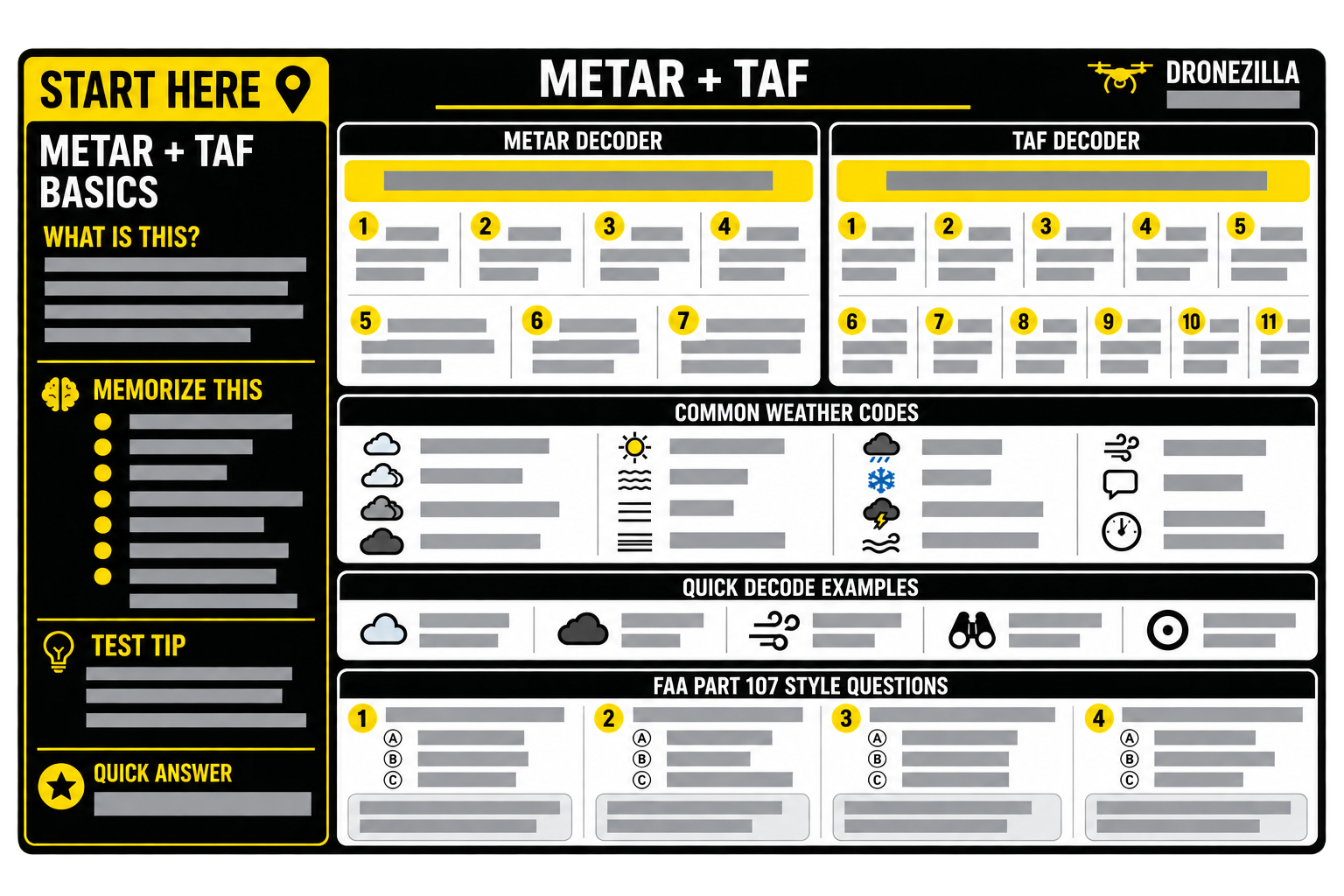
View sheet and study guide →
The bundle includes 18 original printable sheets, mobile flashcard-style PASS SHEETS, Learning Notes, and a poster. Download the free Latitude + Longitude sheet →
These public text guides explain the subjects behind the visual sheets. Choose a topic, learn the concept, and use the printable or mobile PASS SHEET to practice recall. The $49 bundle includes original sheets, mobile sheets, Learning Notes, and a poster.
Review airspace boundaries, floors, ceilings, and where authorization may be needed.
Connect air density and weather conditions with aircraft performance.
Read coordinates, distinguish latitude from longitude, and locate a point on a chart.
Identify charted frequencies and their functions before reviewing airport procedures.
Connect operating limits, changing conditions, and preplanned responses.
Organize pilot responsibilities and operating rules, then check current official references.
Distinguish crew roles, communication, and responsibility for the operation.
Review registration and marking responsibilities for Part 107 operations.
Learn airspace, airports, symbols, boundaries, and elevations on sectional charts.
Practice navigating sectional chart examples and interpreting important map details.
Read aviation weather reports and forecasts with confidence.
Review pilot fitness, impairment risks, and the IMSAFE check.
Recognize decision-making traps and practice safer go-or-no-go choices.
Review the conditions, lighting, and preparation required for nighttime flights.
Inspect the aircraft, detect problems, and prepare before launching.
Understand when a waiver is different from an airspace authorization.
Plan for signal loss, aircraft failures, and emergency responses.
Review key exam concepts, logistics, and what to check before test day.
The FAA publishes official study resources. Courses explain the material. YouTube has countless tutorials. Practice tests help expose weak areas. The problem is that most students end up managing a pile of resources instead of following a simple study loop. A good Part 107 study plan gives every resource a job.
Use it as the authoritative reference for current regulations, knowledge areas, and aviation concepts.
Use a course or video when you need someone to explain a concept from the beginning.
Use questions to reveal which concepts you understand and which still need work.
Use visual Part 107 study aids to revisit concepts alongside your main study materials, without restarting a lesson every time.
FAA study materials identify core knowledge areas that include regulations, airspace and flight restrictions, weather, loading and performance, emergency procedures, crew resource management, radio procedures, aeronautical decision-making, airport operations, and preflight and maintenance responsibilities.
Watching another hour of video can feel productive without telling you whether you actually retained anything. A stronger loop repeatedly asks you to retrieve, diagnose, review, and retest.
Understand the concept from a source you trust.
Use practice questions to expose gaps.
Name the exact topic causing trouble.
Return to the concept in a concise format.
Retest until it becomes familiar.
A practice test is most useful when it tells you why you missed something. If you memorize a letter choice without understanding the underlying rule, a differently worded question can expose the gap immediately. Use practice questions as diagnostics, then go back to the concept itself.
Practice → identify the topic → review the concept → explain it to yourself → retest.
The $49 PASS SHEETS bundle includes a mobile edition for flashcard-style review on your phone. Use short sessions for same-day memorization practice, quick recall, and a test-day refresher before your exam. Cover a section, explain the concept from memory, then check it. Mark weak topics and revisit them alongside practice questions.
Review authorization concepts, operating requirements, and chart context.
Review weather reports, visibility, cloud clearance, and performance effects.
Review symbols, airports, obstacles, boundaries, and frequencies.
Review privileges, limitations, responsibilities, and operational restrictions.
The best Part 107 course for you depends on how you learn and how much structure you need. Compare clear explanations, current FAA references, practice questions with answer explanations, and instructor support. Dronezilla PASS SHEETS are visual cheat sheets for study and review. Use them alongside your chosen course or official study materials to revisit airspace, sectional charts, weather, and regulations.
Add Dronezilla PASS SHEETS™ to your Part 107 study materials as supplemental visual study aids. Use them alongside current official FAA materials and practice questions. Not a complete course; passing is not guaranteed.
Get the bundle — $49An FAA Part 107 practice test helps you identify weak topics. Review the matching PASS SHEETS™, explain why each answer is correct, then attempt fresh Part 107 practice questions.
A Part 107 study guide supports understanding; a Part 107 mock exam rehearses applying it. For FAA drone test preparation, combine sectional charts, airspace, weather, and rules with practice questions instead of relying on repeated answers.